
Brake fluid is one of the most important components of your vehicle’s braking system. While drivers often pay attention to brake pads and rotors, brake fluid is responsible for transferring hydraulic pressure that allows the brakes to function properly. As brake fluid ages, it absorbs moisture and gradually loses its effectiveness, making regular testing essential for safe driving.
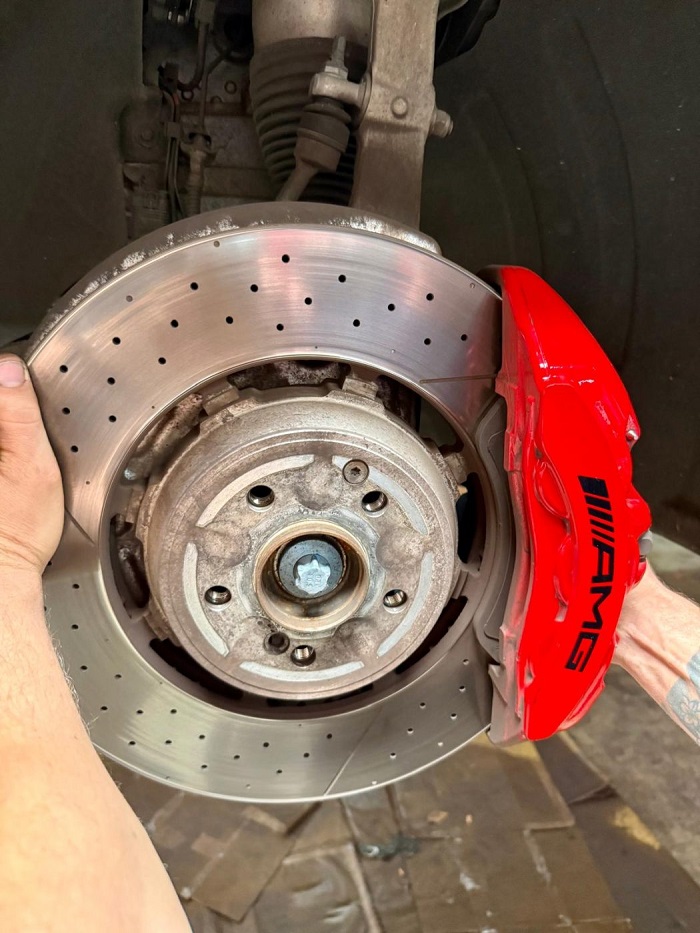
During routine maintenance, technicians should inspect both the brake fluid and your Brake Disc in Santa Clara to ensure the entire braking system is operating safely and efficiently.
Why Brake Fluid Needs Testing
Unlike engine oil, brake fluid is designed to remain inside a sealed hydraulic system. However, over time it naturally absorbs moisture through rubber seals, hoses, and normal exposure to air.
As moisture content increases, brake fluid may:
- Lose its boiling point
- Reduce braking performance
- Cause internal corrosion
- Damage hydraulic components
- Increase stopping distances
Testing helps determine whether the fluid is still performing as intended.
How Often Should Brake Fluid Be Tested?
Most automotive professionals recommend testing brake fluid at least once a year or during every scheduled brake inspection.
Testing is also recommended:
- Every oil change if the vehicle is driven frequently
- Before long road trips
- After heavy towing
- Following repeated mountain driving
- Whenever brake problems are noticed
Even if the fluid appears clean, testing can reveal moisture contamination that is not visible.
Manufacturer Recommendations
Vehicle manufacturers often recommend replacing brake fluid every:
- 2 to 3 years
- Or every 30,000–50,000 miles (depending on the vehicle)
However, replacement intervals vary based on:
- Driving habits
- Climate
- Vehicle type
- Brake system design
Regular testing helps determine whether replacement is needed sooner.
Signs Brake Fluid Should Be Tested Immediately
Do not wait for scheduled maintenance if you notice:
- Soft or spongy brake pedal
- Brake warning light
- Longer stopping distances
- Inconsistent brake response
- Brake pedal sinking toward the floor
- Dark or contaminated brake fluid
These symptoms may indicate brake fluid deterioration or another hydraulic system problem.
How Brake Fluid Is Tested
Professional technicians use specialized tools to measure the condition of brake fluid.
Testing may include checking:
- Moisture content
- Boiling point
- Fluid contamination
- Fluid level
- Color and appearance
These tests provide a much more accurate evaluation than visual inspection alone.
Why Moisture Is a Problem
Brake fluid is hygroscopic, meaning it naturally absorbs moisture over time.
Excess moisture can lead to:
- Vapor formation under heavy braking
- Brake fade
- Internal rust
- Corrosion of brake lines
- Master cylinder wear
- Caliper damage
Keeping moisture levels low helps preserve the entire braking system.
How Brake Fluid Affects Brake Discs
Although brake fluid never directly touches the brake discs, it has a significant impact on braking performance.
Poor hydraulic pressure may cause:
- Uneven pad contact
- Increased brake temperatures
- Uneven disc wear
- Reduced braking efficiency
Routine inspection of your Brake Disc in Santa Clara together with brake fluid testing helps maintain balanced and reliable braking performance.
Driving Conditions That Require More Frequent Testing
Some drivers place greater demands on their braking systems than others.
Brake fluid should be checked more often if you regularly drive in:
- Heavy stop-and-go traffic
- Mountain areas
- High temperatures
- Frequent towing conditions
- Performance driving environments
These conditions generate more heat and accelerate brake fluid degradation.
Can Old Brake Fluid Damage Other Components?
Yes. Ignoring old brake fluid may eventually affect:
- Master cylinder
- Brake calipers
- Brake lines
- ABS components
- Wheel cylinders
- Brake discs and pads indirectly through uneven braking
Routine maintenance helps prevent unnecessary repairs.
Professional Brake Inspection at One Nation Auto
Brake fluid testing should always be part of a complete brake inspection.
At One Nation Auto, experienced technicians inspect brake fluid quality, hydraulic pressure, brake pads, calipers, and every Brake Disc in Santa Clara to ensure your braking system operates safely. Using professional testing equipment, they can identify moisture contamination, worn components, and developing problems before they become major repairs.
Whether your vehicle needs brake fluid replacement or a complete brake inspection, One Nation Auto provides reliable diagnostics and professional automotive service.
Benefits of Regular Brake Fluid Testing
Routine brake fluid testing helps:
- Improve braking response
- Reduce stopping distances
- Protect hydraulic components
- Prevent corrosion
- Extend brake system life
- Improve overall driving safety
- Reduce long-term repair costs
Preventive maintenance keeps your vehicle performing at its best.
Brake fluid may not receive as much attention as brake pads or rotors, but it plays a critical role in every stop your vehicle makes. Regular testing helps detect moisture contamination, maintain hydraulic pressure, and prevent costly brake system damage.
By scheduling routine brake fluid inspections and checking your Brake Disc in Santa Clara, you can improve braking performance, extend component life, and drive with greater confidence. With professional maintenance from One Nation Auto, your braking system will remain dependable in every driving condition.