
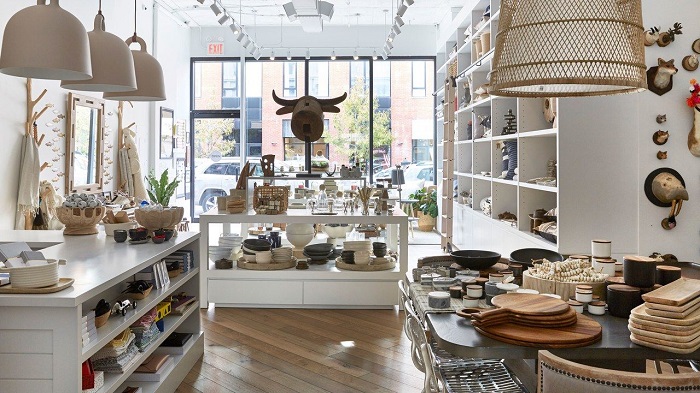
Europe has always been a powerhouse of interior design, shaping how the world thinks about space, texture, and craftsmanship. Yet while famous showrooms in Milan, Paris, and Copenhagen dominate headlines, the most exciting discoveries often happen far from the spotlight.
This article is an invitation to look deeper — to explore Europe’s lesser-known interior stores where authenticity, local culture, and thoughtful design come together. These are places where interiors are not trends, but expressions of identity.
The Quiet Shift in European Interior Culture
In recent years, there has been a noticeable shift away from mass-produced interiors toward more meaningful, story-driven design. Homeowners and designers alike are seeking pieces that feel personal, tactile, and timeless.
Textiles, in particular, play a critical role in this evolution. Carefully selected rugs, for example, often become the emotional anchor of a space. Platforms such as SayRUG highlight how traditional craftsmanship can be reinterpreted for modern European interiors without losing its soul.
This renewed appreciation for materials, heritage, and skilled hands is precisely what defines Europe’s hidden interior gems.
What Truly Makes an Interior Store a Hidden Gem?
A hidden gem is not defined by obscurity alone. Rather, it is a place that values curation over scale and meaning over marketing.
- Authentic sourcing: Products are often made locally or regionally.
- Limited production: You are unlikely to find duplicates elsewhere.
- Design with context: Every object reflects its cultural background.
- Human connection: Store owners are usually deeply involved in the creative process.
“True luxury today is not excess — it is intention, craftsmanship, and restraint.”
Southern Europe: Craft Rooted in Sun and History
Lisbon, Portugal — Quiet Elegance in Alfama
Hidden within Alfama’s narrow streets lies a small interior boutique that feels more like a private home than a shop. The space showcases hand-glazed ceramics, linen textiles, and solid wood furniture inspired by Portugal’s maritime past.
Rugs and textiles here favor earthy tones and subtle patterns, echoing a broader Southern European appreciation for warmth and imperfection. This approach pairs beautifully with finely woven luxury oriental rugs, which add depth and historical continuity to Mediterranean interiors.
Barcelona, Spain — Experimental Design in El Raval
El Raval has long been a creative testing ground, and its interior stores reflect that spirit. One standout space combines reclaimed materials with bold contemporary forms, offering furniture and lighting that feel raw yet refined.
Designers here embrace contrast: old stone walls, modern metal accents, and tactile fabrics that soften the aesthetic. It’s a reminder that interior harmony often comes from tension, not uniformity.
Western Europe: Precision Meets Poetry
Paris, France — Montmartre’s Understated Design Studio
A few steps away from Montmartre’s tourist paths sits a discreet studio focused on upholstery and small furniture collections. The emphasis is on proportion, fabric quality, and craftsmanship rather than visual excess.
What makes this place special is its balance — modern silhouettes softened by classic techniques. The philosophy mirrors a broader European movement toward interiors that age gracefully rather than demand constant renewal.
Bruges, Belgium — The Courtyard Workshop
Behind a modest wooden door in Bruges, a shared courtyard houses a collaborative workshop where carpenters and metal artisans create furniture in limited runs. Chairs, tables, and lighting fixtures are built to last generations.
These pieces naturally complement interiors that value heritage, especially when paired with refined materials such as natural stone, aged wood, and traditional rugs.
Northern Europe: Calm, Function, and Human Scale
Copenhagen, Denmark — Minimalism with Soul
Beyond the well-known Danish brands, smaller Copenhagen studios focus on objects that quietly improve daily life. Think hand-thrown ceramics, modular shelving, and lighting designed around human movement rather than visual drama.
The interiors here rely on subtle textures and natural materials — a philosophy that proves minimalism does not have to feel cold or impersonal.
Stockholm, Sweden — Vintage Reimagined
In Stockholm, one lesser-known interior store specializes in restoring mid-century furniture while preserving original character. Each piece is carefully updated for modern use without erasing its past.
The result is interiors that feel layered and lived-in, where every object contributes to a sense of continuity rather than disruption.
Central & Eastern Europe: Heritage as a Living Language
Prague, Czech Republic — Bohemian Craft Revival
Prague’s historic center hides ateliers where ceramicists and textile artists reinterpret traditional Bohemian motifs through a contemporary lens. Cushions, wall pieces, and tableware here feel decorative yet purposeful.
These interiors celebrate ornamentation — not as excess, but as storytelling.
Budapest, Hungary — A New Generation of Makers
Budapest’s emerging interior scene thrives in small shared spaces where young designers experiment with form and material. Handcrafted lighting, ceramics, and woven elements dominate the collections.
Many of these interiors are intentionally neutral, allowing standout pieces — furniture, art, or rugs — to become focal points.
The Role of Furniture as Cultural Expression
Across Europe, furniture is increasingly viewed as a cultural artifact rather than a commodity. This is particularly evident in the renewed interest in handcrafted pieces that blur the line between art and utility.
For example, collections of artisan italian furniture reflect a deep respect for proportion, material, and tradition — values shared by many of the hidden stores highlighted in this guide.
“A well-designed object carries the fingerprints of its maker — even when unseen.”
How to Incorporate Hidden Finds into Your Home
- Let one piece lead: Build the room around a single meaningful object.
- Mix origins thoughtfully: Contrast regions while maintaining material harmony.
- Avoid over-curation: Space is as important as the objects within it.
The goal is not to create a showroom, but a space that evolves naturally over time.
Final Reflection
Europe’s hidden interior stores remind us that great design rarely shouts. It whispers through texture, proportion, and intention. These spaces offer more than beautiful objects — they offer insight into how people live, work, and express identity through their surroundings.
In a world of fast interiors, seeking out these quiet places is not just a design choice — it’s a philosophy.