
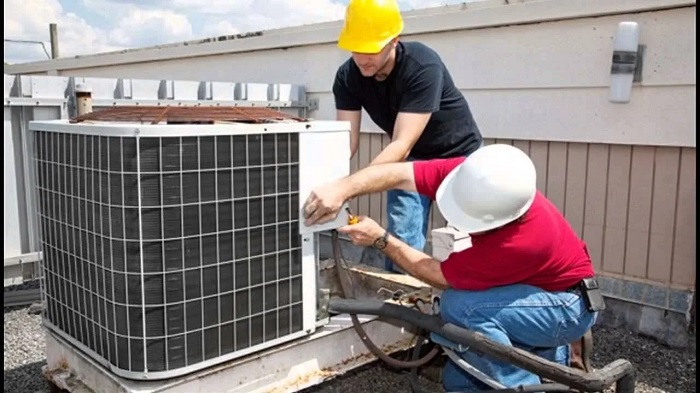
Creating a comfortable microclimate in the house during the cold season is a priority task. A properly designed and installed heating system provides not only heat, but also energy savings and safe living. Now hvac services have become popular. Let’s consider the nuances of the issue in more detail.
What do you need to install a heating system?
You will need a heating system project. This document is developed by a specialist and takes into account many factors: the area and volume of the premises, the type and thermal insulation of the walls, windows, roof, the climatic conditions of the region, as well as your individual needs and preferences.
The following points are necessary in the project:
- Selection of a heat source. This is a gas, electric, solid fuel or liquid fuel boiler, a heat pump or even central heating. The choice depends on the availability of fuel, the cost of its operation, as well as your financial capabilities.
- Type of heating devices. Radiators (steel, aluminum, bimetallic), convectors, heated floors, in-floor convectors. Each type has its own advantages and installation features.
- Piping. The connection diagram of heating devices to the boiler is determined (single-pipe, two-pipe, manifold).
- Calculation of equipment capacity. A boiler of the appropriate capacity is selected, as well as radiators and pipes of the required diameter.
- Chimney installation diagram (if necessary). Gas and solid fuel boilers require proper installation of the chimney, ensuring the safe removal of combustion products.
Heating system installation rules
The work must be carried out according to certain rules. Let’s consider them in more detail:
- Compliance with building codes and regulations (SNiP). All work must comply with current safety standards and technical requirements.
- Professional installation. The installation of the heating system must be performed by qualified specialists with the appropriate permits. Incorrect installation can lead to leaks, reduced efficiency and even emergency situations.
- Safety. Particular attention is paid to safety when working with gas equipment, electricity and when installing chimneys.
- Tightness of the system. All connections must be securely sealed to prevent coolant leaks.
- Correct connection of the boiler. Compliance with the boiler manufacturer’s instructions for connecting to the power grid, gas pipeline and chimney.
- Hydraulic balancing. Setting up the system for uniform heat distribution across all heating devices.
- Flushing the system. Before starting, the system must be flushed to remove dirt and residues of installation materials.
- Pressure testing the system. Checking the tightness of the system under pressure.
Trust the installation of the heating system to professionals. They will not make mistakes and will do everything according to the main requirements!