
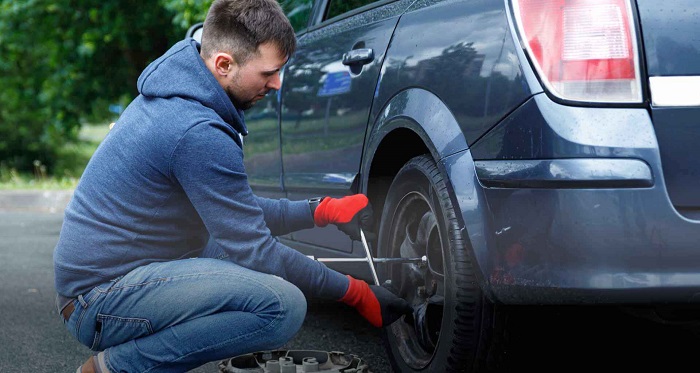
Recalibrating your driving experience and being prepared for a flat tire kitchener situation is important for any driver. Properly replacing a flat tire prevents further damage to your vehicle and ensures safety on the road.
Knowing the basic rules and procedures will help you quickly and stress-freely resolve the issue, as well as avoid potential mistakes. This article covers the best tips and instructions for changing a flat tire Kitchener, as well as the specifics of maintenance and preparation for such an emergency.
A Practical Guide to Quickly Changing a Flat Tire
In an emergency with a punctured or flat tire, it’s important to stay calm and act quickly and correctly. Having a ready-made set of tools and knowing the procedure will significantly speed up the replacement process, reducing the risk of damage and ensuring safety on the road.
Before beginning the replacement, ensure your vehicle is parked on a level surface, secured with the parking brake, and in a safe location away from traffic. Remember to turn on your hazard warning lights to warn other road users.
Preparing for Replacement: Necessary Tools and Vehicle Inspection
Before changing a flat tire, it’s important to be properly prepared to ensure safety and efficiency. First and foremost, make sure you have all the necessary tools on hand. This typically includes a tire wrench or Phillips-head screwdriver, a jack, a spare tire, and you may also need a long arm or gloves to protect your hands. A flashlight or headlamp is also recommended for better visibility at night or in poorly lit areas. Before starting work, ensure that your tools are in good working order and the correct dimensions to avoid damage and disruption during the process.
Inspecting the Vehicle Before Replacement
Before raising the vehicle, visually inspect the area and the vehicle itself. Ensure that the chosen replacement location is level, firm, and well-lit. Be aware of any obstacles or obstructions that could interfere with the work or create a safety hazard. It’s also important to check the brakes and parking brake to ensure the vehicle is securely locked after lifting. Before lifting the vehicle, it’s recommended to inspect the spare tire and tools, ensuring everything is securely fastened and ready for use. This inspection will help avoid unexpected problems and ensure the safest possible tire change.
Conclusion and Recommendations for Changing a Flat Tire
Remember, after changing a tire, check its fastening and position, and ensure there are no damage or air leaks. Regular maintenance and preparation for driving will reduce the risk of potential problems.
Following these instructions, you can change a flat tire yourself and ensure your safety.
It’s important to regularly check the condition of the spare tire, tools, and the presence of the necessary components in the trunk. Pay attention to each step to avoid unpleasant situations on the road.