
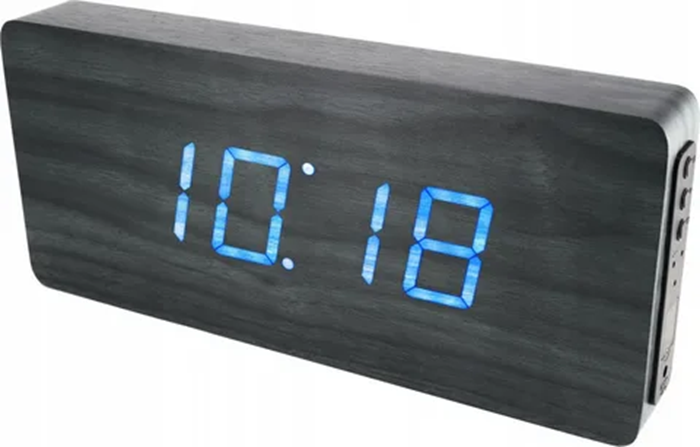
The Precision AP054 digital radio-controlled alarm clock is a modern device that combines precise timekeeping with ease of use. Thanks to its built-in radio synchronization and compact size, this alarm clock is ideal for those who value precision and reliability in everyday use.
Learn more about the Precision AP054 on our manualmachine.com
However, despite its modern design, devices like the Precision AP054 sometimes experience common problems, such as display failures, radio synchronization issues, or power failures. In this article, we’ll examine how these alarm clocks work and discuss the most common causes of malfunction.
Typical sources of automatic adjustment and their impact on accuracy
Automatic adjustment in tabletop radio-controlled digital alarm clocks plays a key role in ensuring high time accuracy. It compensates for possible drifts and deviations due to external factors, such as temperature or power supply load. At the same time, the choice of automatic setting source directly affects the stability and reliability of the device.
Common sources of automatic setting include radio signals, GPS modules, and the internet. Each has its own advantages and disadvantages, which affect the accuracy and stability of the alarm clock.
Main sources of automatic setting and their influence
- Radio signalsA frequently used source for setting clocks are radio signals from national time services. They provide high accuracy because they transmit synchronized time with atomic standards. However, signal quality depends on signal strength, geographic location, and weather conditions. Signal weakening or interference can reduce accuracy.
- GPS modulesGlobal positioning systems provide precise time based on satellite-based time standards. They operate independently of ground stations, increasing reliability and the ability to operate in various regions. However, in conditions of poor satellite visibility (for example, indoors), accuracy decreases, which can lead to time drift.
- Internet ServicesThese provide automatic time adjustment via a Wi-Fi or Ethernet connection. These sources allow for regular time updates and current data. However, their accuracy depends on the quality of the connection and synchronization servers, and during maintenance or outages, the connection may be disrupted, affecting time stability.
The choice of automatic time adjustment source significantly affects the accuracy and stability of digital alarm clocks. Radio signals and GPS provide the most accurate time but require good signal reception, while internet methods are more flexible and easy to use but are dependent on network conditions. To improve reliability, it is recommended to use combined systems or prioritize adjustments based on operating conditions. Proper selection and balance of automatic tuning sources can reduce the likelihood of errors, improve accuracy, and ensure stable operation of the digital alarm clock under any conditions.