
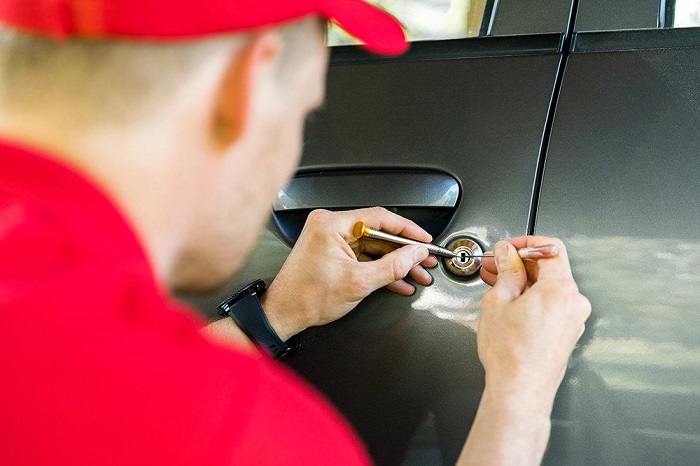
Opening a car is a complex and challenging process that requires knowledge of specialized methods and tools. Choosing the right opening method is crucial, depending on the situation, lock type, and security level. Details about various techniques can be found on https://carlocksmithkitchener.ca/, which explains the specifics of each stage and method, helping to ensure the work is carried out as carefully and without damage as possible.
The process includes several key steps: situation analysis, tool preparation, selection of the optimal opening method, and completion. Learning more about car opening on our website will help anyone who wants to understand the nuances of this procedure and choose the appropriate method, whether for an urgent need or research. It’s important to remember that a professional approach always ensures safety and minimizes damage to your vehicle.
Effective Approaches to Opening a Car: Step-by-Step Instructions
Before beginning a car opening procedure, it’s important to consider all safety precautions and choose the correct method based on the situation and the type of locking mechanism. Necessary preparation includes selecting the appropriate tool and assessing access to the locks without damage. Correctly completing each step ensures minimal damage and a higher chance of quickly opening the vehicle.
A rational plan of action will help you complete the task successfully. Below are the main steps of the procedure that are recommended for maximum effectiveness when opening a car.
Step-by-Step Instructions for Opening a Car
- Preparing Tools: Prepare the necessary tools, such as thin screwdrivers, panel pry bars, and hydraulic or plastic tools for accessing the locking system. A flashlight and gloves are also useful for safety and careful work.
- Finding Access Points: Inspect the vehicle to determine the most convenient entry points – typically windows or the sunroof. If there is no glass damage, it is recommended to pry the door open through the internal mechanisms, avoiding damage to the exterior trim.
- Entering the Interior: Carefully use the selected tools to open the door or towbar without damaging the body or interior trim. In the case of alarms or electric drives, you can disconnect the battery to prevent the security system from being activated.
- Picking the Lock or Central Locking: If the door does not open using standard methods, specialized methods are used, such as using a key twist, picking, or using professional lock picking tools. Approaching this stage requires care and experience.
- Checking the opening and completing the procedure: After successful entry, ensure all systems are functioning properly and the door is open. After completing the procedure, it is recommended to restore all vehicle security elements to maintain its serviceability and safety.
Studying the lock design and selecting the necessary tools
Before beginning the car opening process, it is important to carefully study the lock design. Each lock has its own unique design, which depends on the model and type: mechanical, electronic, or combination. It is important to understand the basic components: latches, cylinders, cams, and door locking mechanisms. This will allow you to choose the most effective opening method and select the appropriate tools.
After studying the design, it is necessary to understand the range of tools used for opening. Key tools include lock picks, crowbars, plastic cards, and specialized hydraulic or electromagnetic devices. The choice depends on the complexity of the lock and the specific situation. Careful selection of tools allows for careful work and minimizes the risk of damage to the vehicle’s exterior.
Using methods for safe and quick car opening without damaging the body is an important component of professional work. Modern equipment and knowledge allow for high efficiency with minimal risk to the vehicle. This approach helps preserve the vehicle’s appearance and reduces the cost of subsequent repairs.